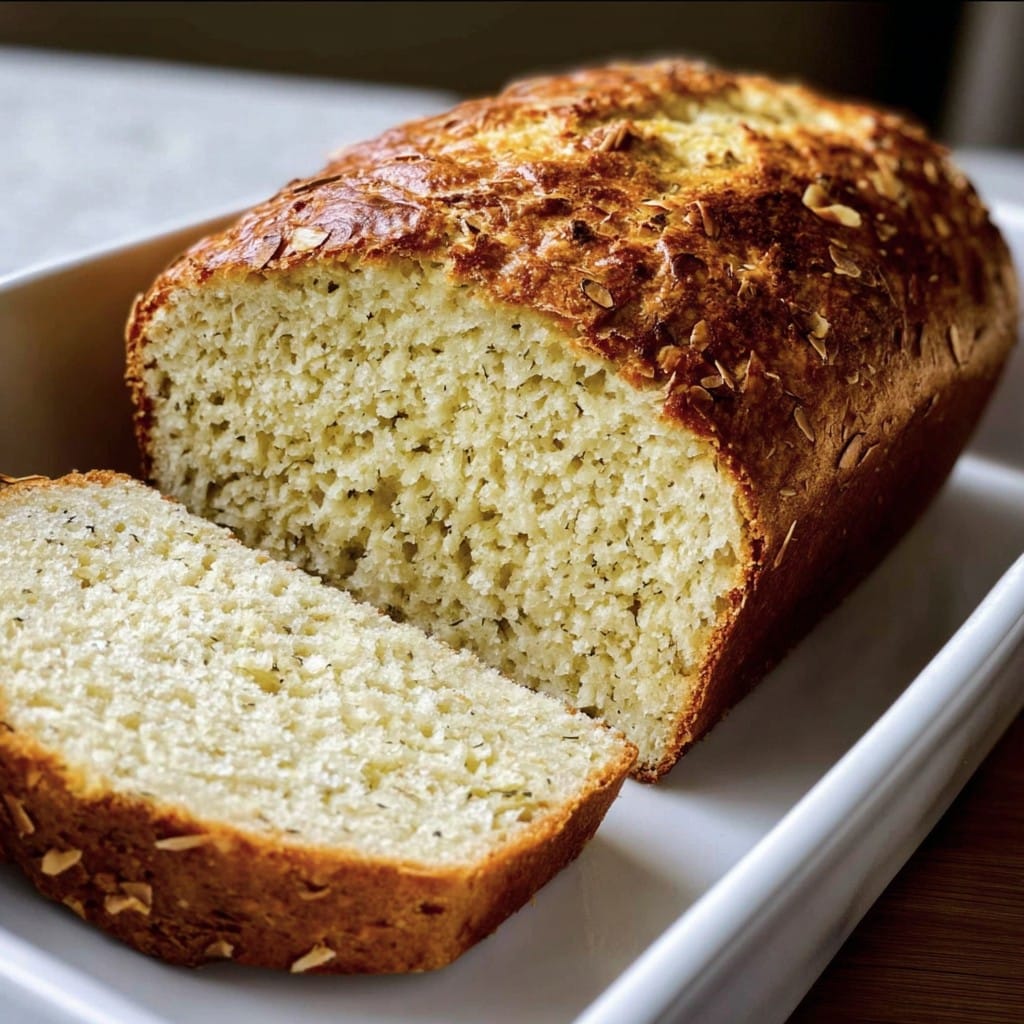
Almond Flour Bread – Easy Low-Carb, Gluten-Free Loaf
So, About This Almond Flour Bread…
Alright, let me just kick this off by saying I never set out to become someone who bakes their own bread—seriously, I used to fear yeast like it was some kitchen monster! (It kind of is, but that’s not today’s battle.) Then I discovered almond flour bread on a rainy Tuesday when I was determined to have avocado toast without my stomach staging a protest. One loaf later, I was a convert. Now it’s my go-to when I want something that’s actually bread-like, even if it’s never quite going to be “bakery perfect.” My cousin once asked if I was hiding a secret bread machine in the garage. Nope, just a bowl and some hope.
You’ll Love This, Trust Me
I make this whenever I realize I’ve pushed my luck with regular bread one too many times, you know? My family goes mad for it, especially slathered with butter, because it’s got this great nutty flavor (plus it doesn’t make anyone’s belly grumble an hour later). I sometimes bake it to impress guests who assume gluten-free means bland—spoiler: they finish the loaf anyway! Sometimes it comes out a bit lopsided, and honestly, that’s half the charm. My only warning: the smell while it bakes makes waiting nearly impossible (once I caved and cut it hot, which…let’s just say, crumbles).
What You’ll Need (with some possible swaps)
- 2 cups almond flour (sometimes I use ground almonds straight from the bag if I’m being lazy—does the trick… usually)
- 1/4 cup coconut flour (My friend adds oat fiber instead. My grandmother swore by Bob’s Red Mill, but honestly, store brand is fine)
- 1/4 cup psyllium husk powder (you can skip it but your loaf will be more like a cake)
- 1 teaspoon baking powder (double-check it’s gluten-free if you’re celiac; I forgot once, oops)
- 1/2 teaspoon fine salt (sometimes I just eyeball it—don’t tell my mother)
- 5 large eggs (duck eggs work too, apparently! My neighbor insists it’s what gives her bread a golden color, but I’ve never tried it)
- 1/4 cup olive oil (avocado oil is grand too, or melted butter if you’re feeling fancy)
- 1 tablespoon apple cider vinegar (plain white vinegar is fine but ACV makes it more flavorful—I think)
- 1/2 cup warm water (doesn’t need to be piping hot, just not cold from the tap)
My (Sometimes Wobbly) Directions
- Pop your oven on at 350°F (that’s about 180°C, if you’re elsewhere in the world). Don’t forget to move your oven rack to the middle. Trust me—top rack is a classic rookie mistake.
- Line a loaf pan (around 8×4 inches works, but honestly I’ve squashed it into whatever is clean) with parchment. Or just grease it, but then you’ll probably be scraping out crumbly bits—your call!
- In a biggish bowl, toss in your almond flour, coconut flour, psyllium husk, baking powder, and salt. I whisk it all together with a fork, which works fine unless someone’s borrowed my whisk again.
- Crack the eggs into another bowl—makes it easier to spot rogue pieces of shell—then beat them up a bit (I just use a fork here too, no need for a mixer unless you want to).
- Add the olive oil, apple cider vinegar, and water to the eggs and give everything a good mix. Stir it like you mean it but don’t go mad.
- Pour wet stuff into dry. Here’s where the magic—or mild chaos—begins. Mix until it’s just combined. It’s going to look thick and a bit weird. That’s normal (I once thought I’d ruined it, but nope).
- Scoop the batter into your pan. Smooth the top (kind of—it never really smooths out for me, but it works out in the end).
- Bake in the centre of the oven for about 40-50 minutes. Start checking at 40. Sometimes I poke the middle with a skewer—if it’s coming out clean, you’re golden! But don’t overbake; dry almond bread is a sad thing.
- Here’s where patience is a virtue: cool in the pan for 10 mins, then lift out and cool on a rack before slicing. Although if you sneak a heelslice while it’s hot, I won’t judge (I always do).
Random Notes from My Experiments
- If you use straight ground almonds, it’s a bit denser but so nutty. I kind of like the rustic vibe.
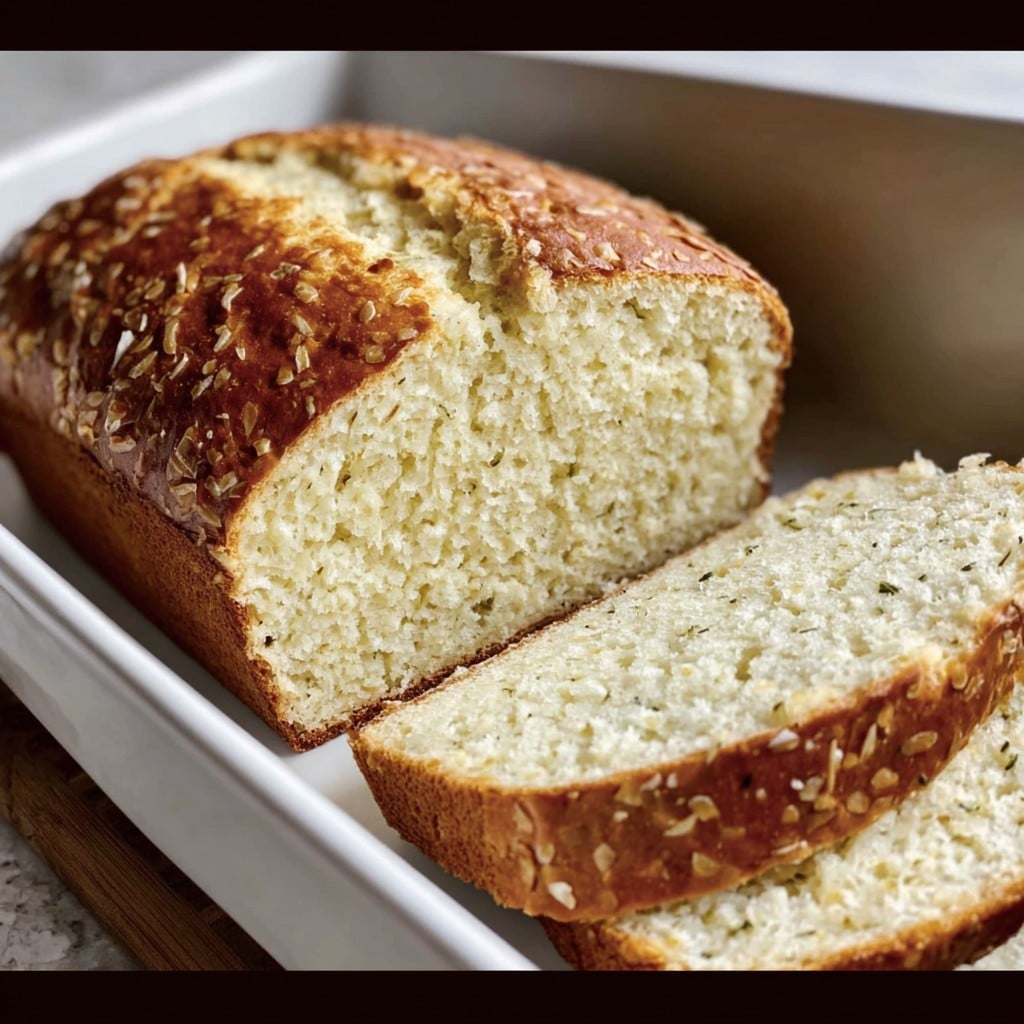
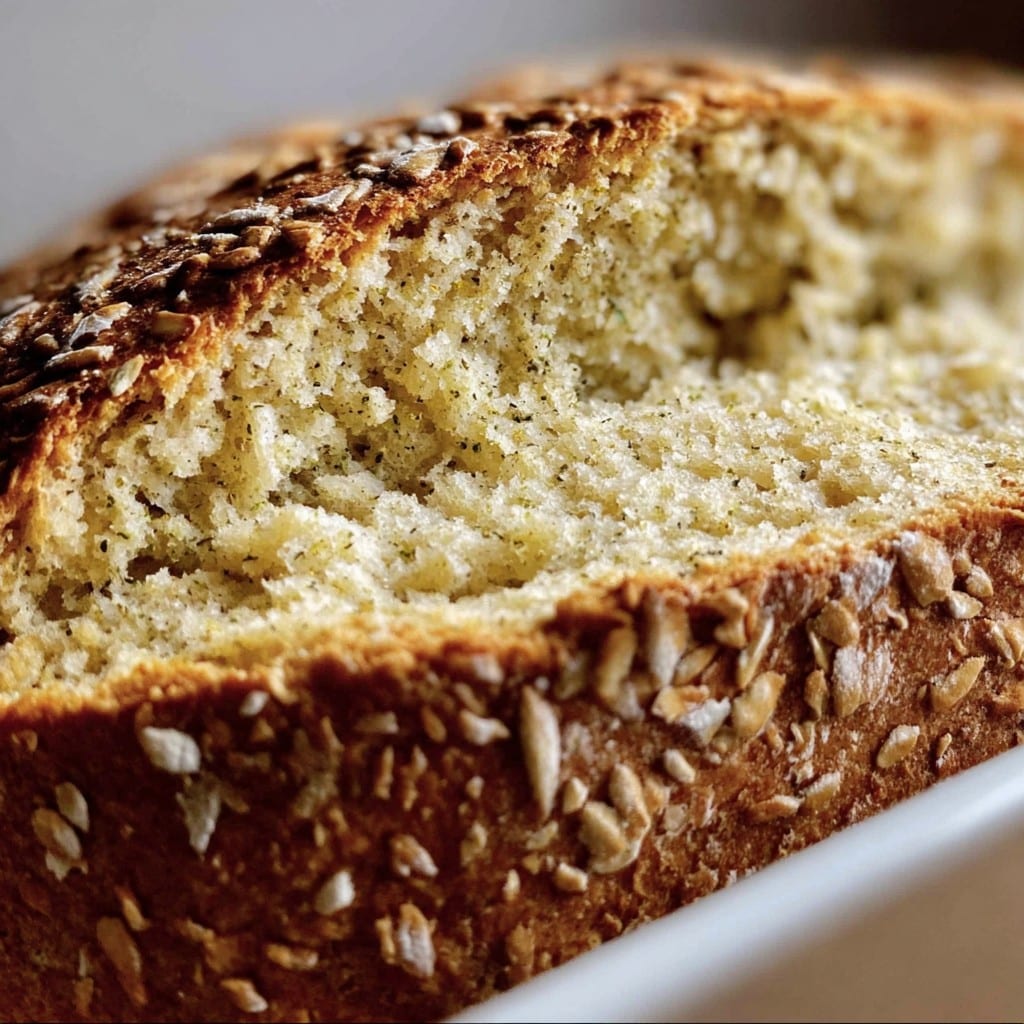
- Sometimes the top cracks—don’t worry, it doesn’t mean it’s underdone. Actually, I find it’s often more moist inside when it does that.
- Don’t overmix, or you’ll end up with what can only be called “almond brick.”
- If your psyllium is super fine, the bread comes out smooth. Coarse stuff works but it’s more, hmm, country-style?
Things I’ve Tried (and a Mishap or Two)
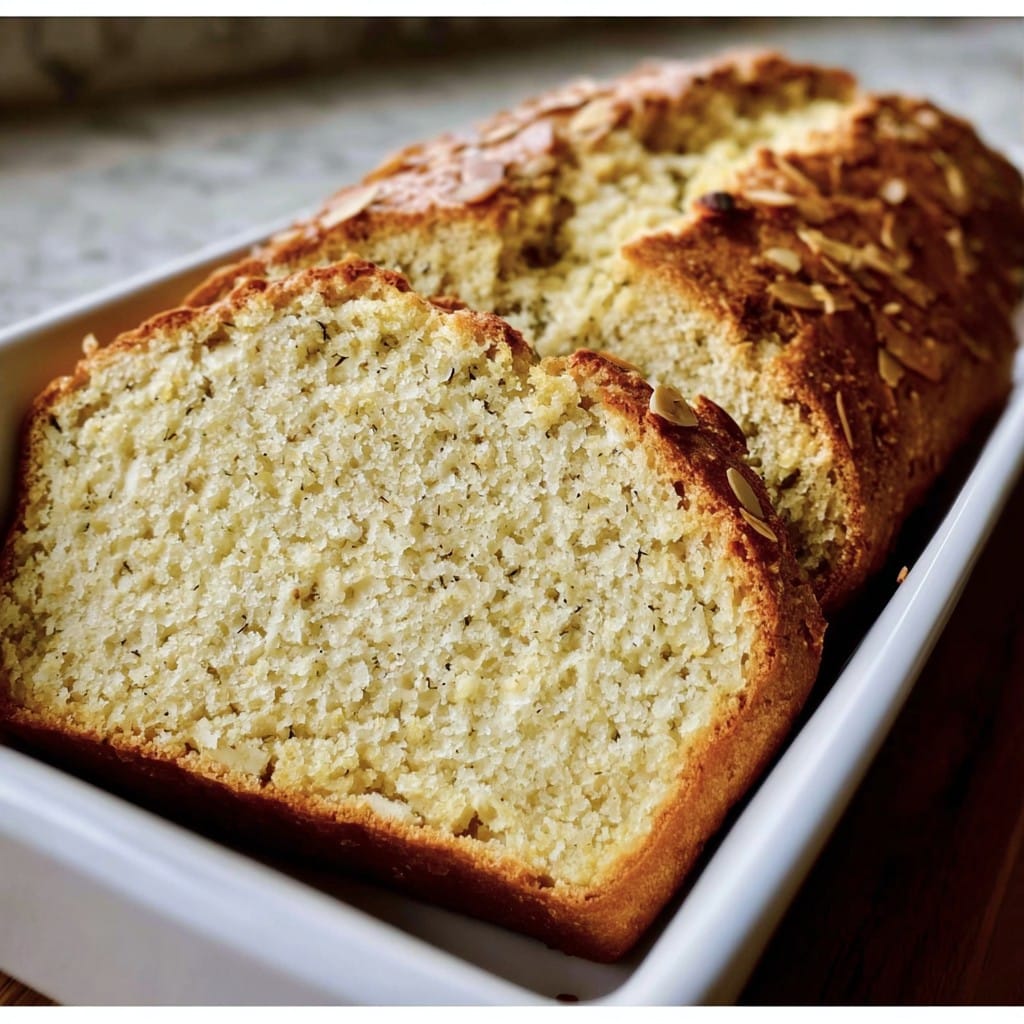
I’ve tossed in fresh rosemary and it made the house smell like a pizza shop—divine! Chopped black olives? Brilliant. Walnuts: great. I tried a swirl of cinnamon and raisins once… did not go well. The bread fell apart and was so sweet I didn’t know if it was snack or dessert (not recommended, but hey, live and learn!).
What You Really Need (And What to Do If You Don’t Have It)
- Loaf pan: Kind of important, but I once used a small, deep roasting tin lined with parchment and just shaped the dough. Rustic, but edible.
- Parchment paper: I’ve greased pans before, but honestly, this sticks like nobody’s business without paper. You can use foil, but it’s trickier.
- A decent mixing bowl: I use an old salad bowl. Does the job, and far easier to clean than stainless steel—just saying.
Storing Your Almond Flour Bread (If You Don’t Eat It All)
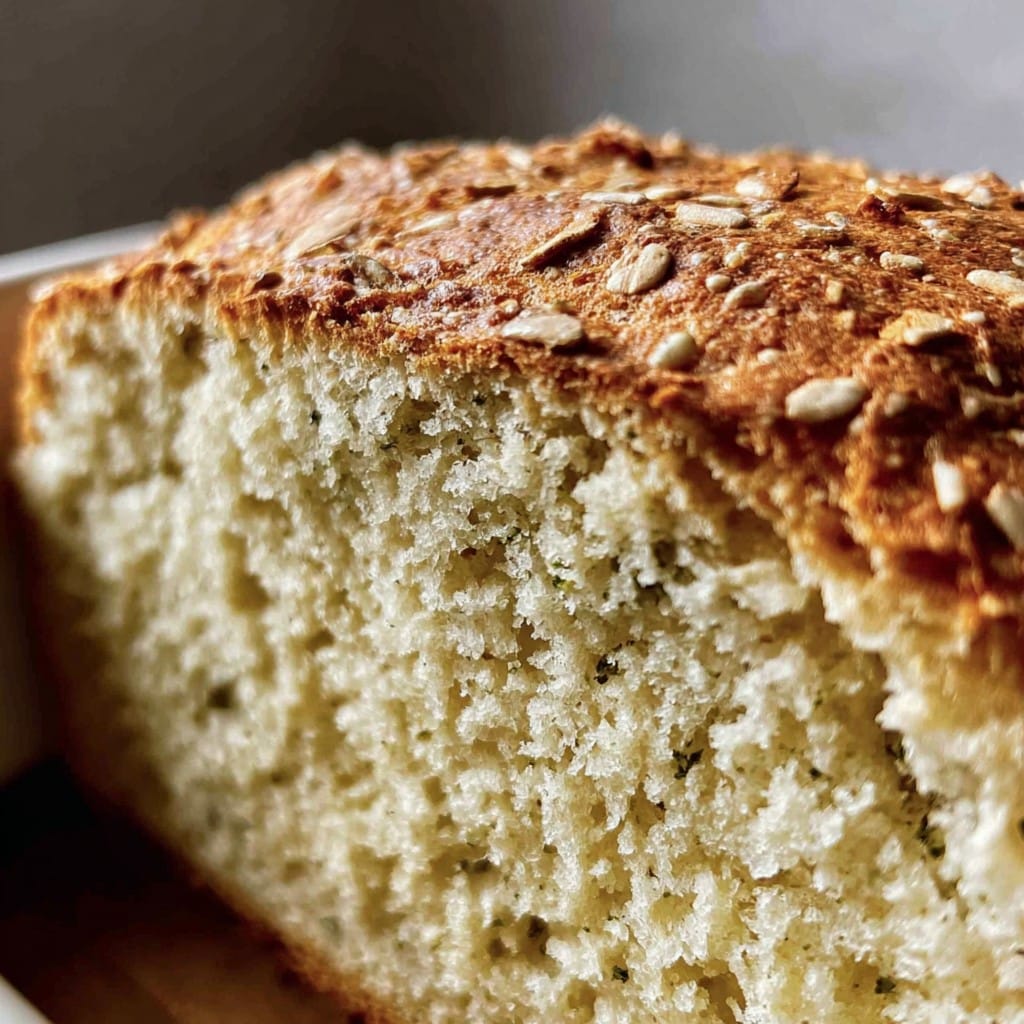
If by some miracle, you have leftovers: wrap it in a kitchen towel or chuck it in an airtight container. It keeps fine on the counter for a day or two, but by day three, fridge is best. I think it tastes better chilled anyway, especially toasted. Though honestly, in my house, it never lasts more than a day!
How We Eat This (And Maybe You Could Too)
I love it toasted with salted butter and a pinch of flaky sea salt on top (posh, I know). The kids demand it with peanut butter and a drizzle of honey (not exactly low-carb, but I pick my battles). Sometimes, when I’m feeling extra, I make open-faced sandwiches with smoked salmon and cucumber. Or, for a solid snack, try some homemade almond butter—it’s next-level. Good with soup too, especially on rainy evenings.
Stuff I Learned the Hard Way (Pro Tips)
- I once tried to speed cool the loaf by sticking it in the freezer—bad move, it went weirdly gummy. Just wait for it to cool, seriously.
- If you double the recipe and use a bigger pan, the middle can stay raw. On second thought, stick to the classic loaf size.
- Crumbly bread? Probably overbaked, or maybe my oven’s just as moody as the weather. Check your oven’s temp with a cheap thermometer like this one from Serious Eats, it’s saved my bakes more than once.
Curious Questions People Actually Ask Me
- Can I freeze almond flour bread? Yup, just slice it first, otherwise you’ll be hacking at a bread iceberg. It tastes fine after defrosting—honestly, even a bit better?
- Can I make this vegan? You could try flax eggs (1 tbsp flax + 2.5 tbsp water), but I think the texture struggles. My last attempt fell apart a bit—maybe that’s just my luck.
- Why is my loaf purple/gray? Ah—the famous psyllium husk mystery. Some brands do that when baked, but if it smells good, you’re fine. I use NOW brand psyllium and haven’t had the purple issue in ages.
- How do I stop it from being so crumbly? More psyllium, or actually wrap it up well after baking. And don’t skip the cooling step. (I always want to, but patience is key here…)
- Do I have to use both almond and coconut flour? You can use just almond flour, but the texture is a bit…well, dense. More like a “pan loaf” (as my Irish granny would say), but still good with butter.
So, there you have it—my off-the-cuff, frequently improvised almond flour bread that saves the toast day every time. If you’re still not sure, just dive in and experiment. Who knows, maybe you’ll invent the next family favorite loaf (or at least, a good story for the next kitchen chat).
Ingredients
- 2 cups almond flour
- 1/4 cup coconut flour
- 1/4 cup unsalted butter, melted (or coconut oil)
- 5 large eggs
- 2 teaspoons baking powder
- 1/2 teaspoon salt
- 1 tablespoon apple cider vinegar
- 1 tablespoon sesame seeds (optional, for topping)
Instructions
-
1Preheat your oven to 350°F (175°C) and line a loaf pan with parchment paper.
-
2In a large bowl, whisk together almond flour, coconut flour, baking powder, and salt.
-
3In a separate bowl, whisk eggs, melted butter (or coconut oil), and apple cider vinegar until well combined.
-
4Pour the wet ingredients into the dry ingredients. Mix until a thick, smooth batter forms.
-
5Transfer the batter to the prepared loaf pan. Smooth the top and sprinkle with sesame seeds if desired.
-
6Bake for 35-40 minutes, or until a toothpick inserted into the center comes out clean. Let cool before slicing.
Approximate Information for One Serving
Nutrition Disclaimers
Number of total servings shown is approximate. Actual number of servings will depend on your preferred portion sizes.
Nutritional values shown are general guidelines and reflect information for 1 serving using the ingredients listed, not including any optional ingredients. Actual macros may vary slightly depending on specific brands and types of ingredients used.
To determine the weight of one serving, prepare the recipe as instructed. Weigh the finished recipe, then divide the weight of the finished recipe (not including the weight of the container the food is in) by the desired number of servings. Result will be the weight of one serving.
Did you make this recipe?
Please consider Pinning it!!