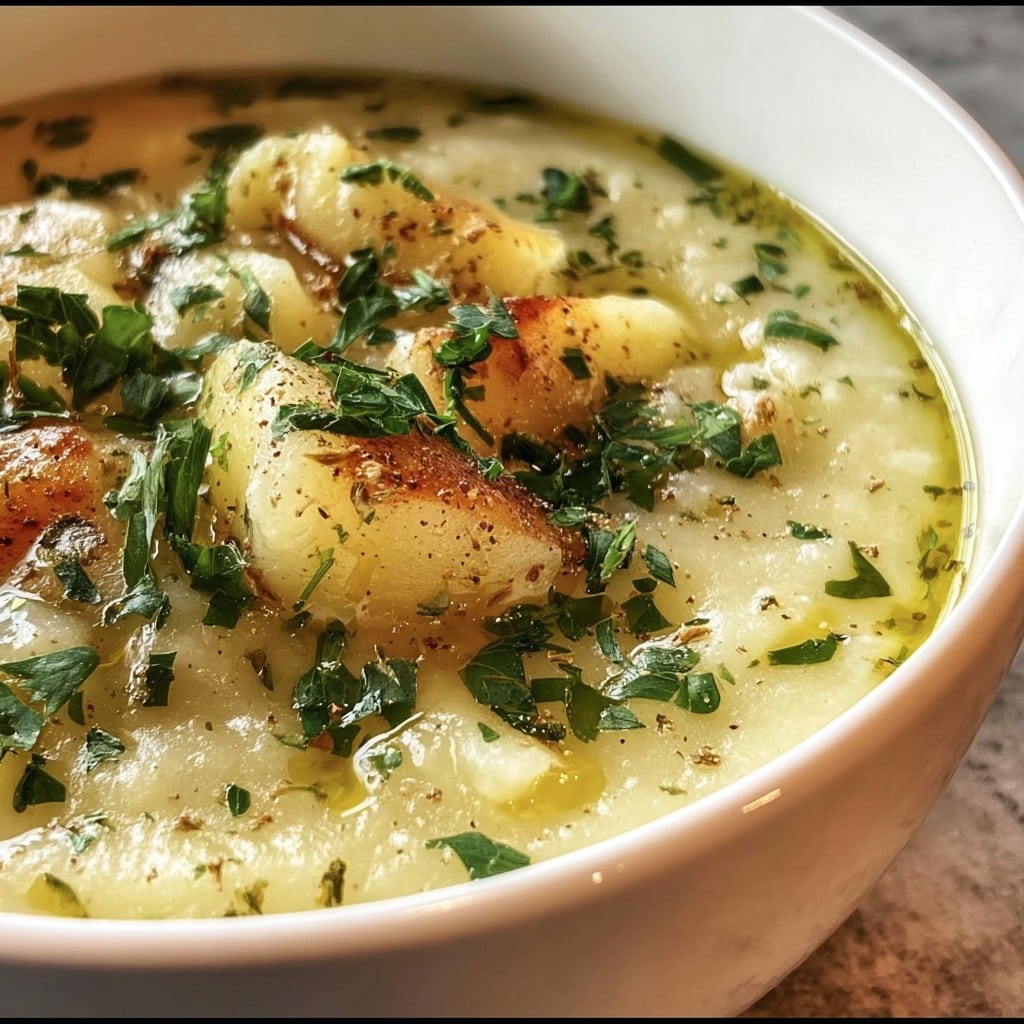
Hangover Cure Potato Garlic Soup – Soothing & Nourishing
If You Need a Warm Blanket in a Bowl…
You know those mornings where your head is doing its own rumba and even the cat looks at you with pity? That’s exactly when I make this Hangover Cure Potato Garlic Soup. I stumbled into it one particularly disastrous New Year’s Day—couldn’t figure out if it was the fireworks or my head that was pounding louder. Anyway, I dragged myself into the kitchen and just started chucking stuff in a pot. The rest is, well, slightly fuzzy history, but this soup’s been a loyal mate ever since. And the best part? The smell of garlic alone practically apologizes for last night’s mistakes.
Why You’ll Want to Make This (More Than Once)
I whip this up when I can’t look at anything fried (which is saying something), or when my whole family is practically groaning for something gentle—without actually having to chew much. My dad swears it fixes the soul. Okay, that’s dramatic, but you get the idea. And if you’re not battling a hangover, it’s still just really, really good soup (plus—bonus—it livens up tinned leftovers if you’re in a pinch; ask me how I know…I dare ya).
What You’ll Need & Some Freedom to Improvise
- 5 or 6 medium potatoes, diced (actually, any type works but Yukon Gold is what I default to when I’m feeling fancy; russets are fine—just peel ’em, trust me)
- 1 big onion, chopped (red onion in a hurry is totally fine but adds a little sweetness)
- 6 cloves garlic, smashed (I’ve done up to 10 when feeling extra defensive, or less if you’re worried about vampire coworkers)
- 4 cups chicken or veggie stock (the boxed stuff is fine; my grandmother always swore by Better Than Bouillon, but water plus a bouillon cube gets you 95% of the way)
- 3 tbsp olive oil or good old butter (on wild days I use a bit of both)
- Salt and pepper, to taste (I sometimes skip measuring and just go by taste because, y’know, living dangerously…)
- Optional—even a dash of cream or a handful of grated cheese at the end makes it rich but, honestly, you don’t need it
- Pinch of dried thyme or rosemary if you want to feel like a culinary genius
Let’s Make Soup! (Don’t Panic…It’s Easy)
- Get a big pot going: Drizzle in your oil (or butter, or both, I’m not judging) over medium heat. Toss in the onions. Let ’em sweat for a few minutes—don’t hurry, this is the only hangover-friendly thing you’re doing today.
- Add garlic: Smash, mince, or lazily chop up the cloves. Throw ’em in when the onions are soft. Take a big sniff—it’s good for morale.
- Potatoes go in: Stir ’em so they catch a little of everything in the pot. Don’t worry if you’re behind on peeling—it all sorts itself out in the end.
- Pour in the broth: Enough to cover the potatoes. Sometimes I heap in a bit more if I want leftovers (wishful thinking, really). Chuck in a pinch of salt and pepper, if you remember.
- Add herbs, if using: Thyme or rosemary adds a bit of fancy. Skip it if it feels too complicated.
- Simmer until potatoes are tender—probably 20ish minutes? Stand around, scroll your phone, maybe wash a cup or two from last night. Soup’s forgiving.
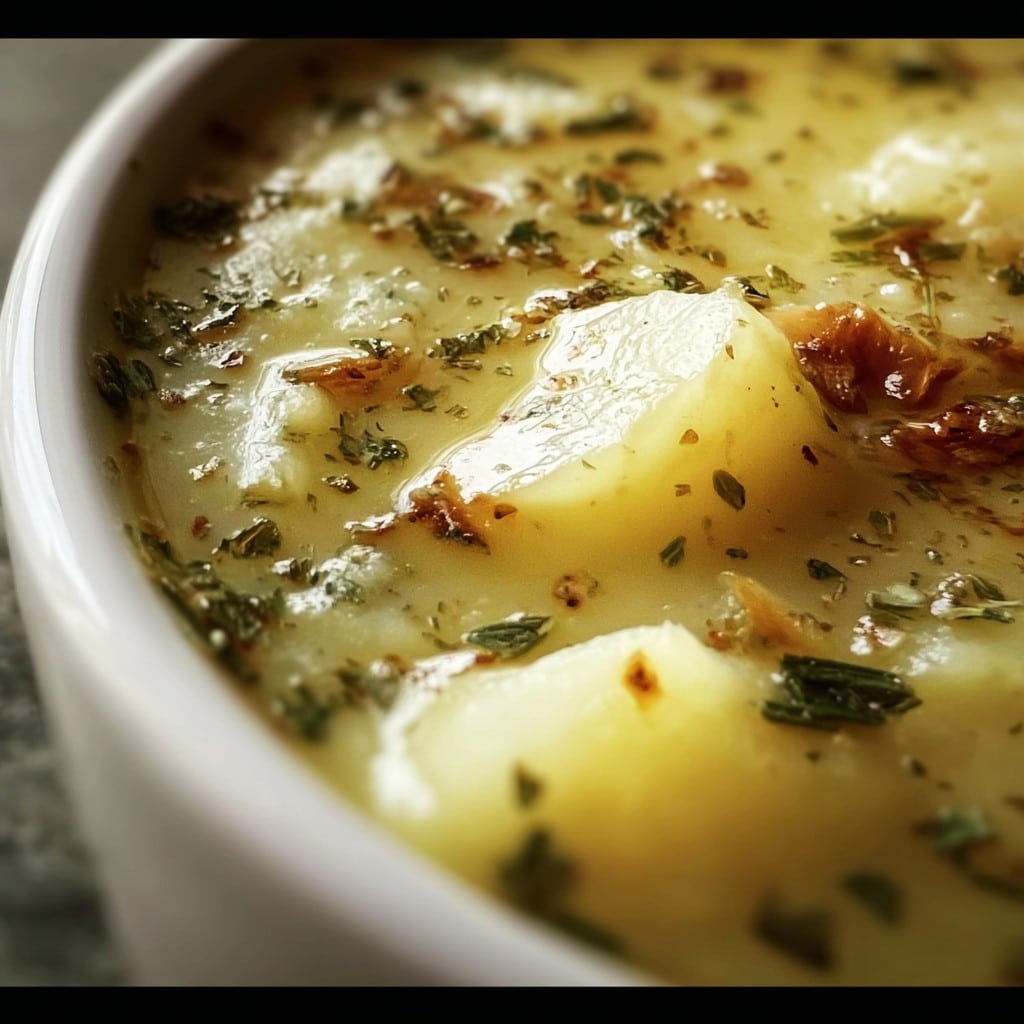
- Blend it: This is where I usually sneak a taste, just to check seasoning. If you have a stick blender, go wild. If not, just mash with a potato masher. (I say this is crucial, but I’ve straight-up skipped blending on lazier days. It still works!)
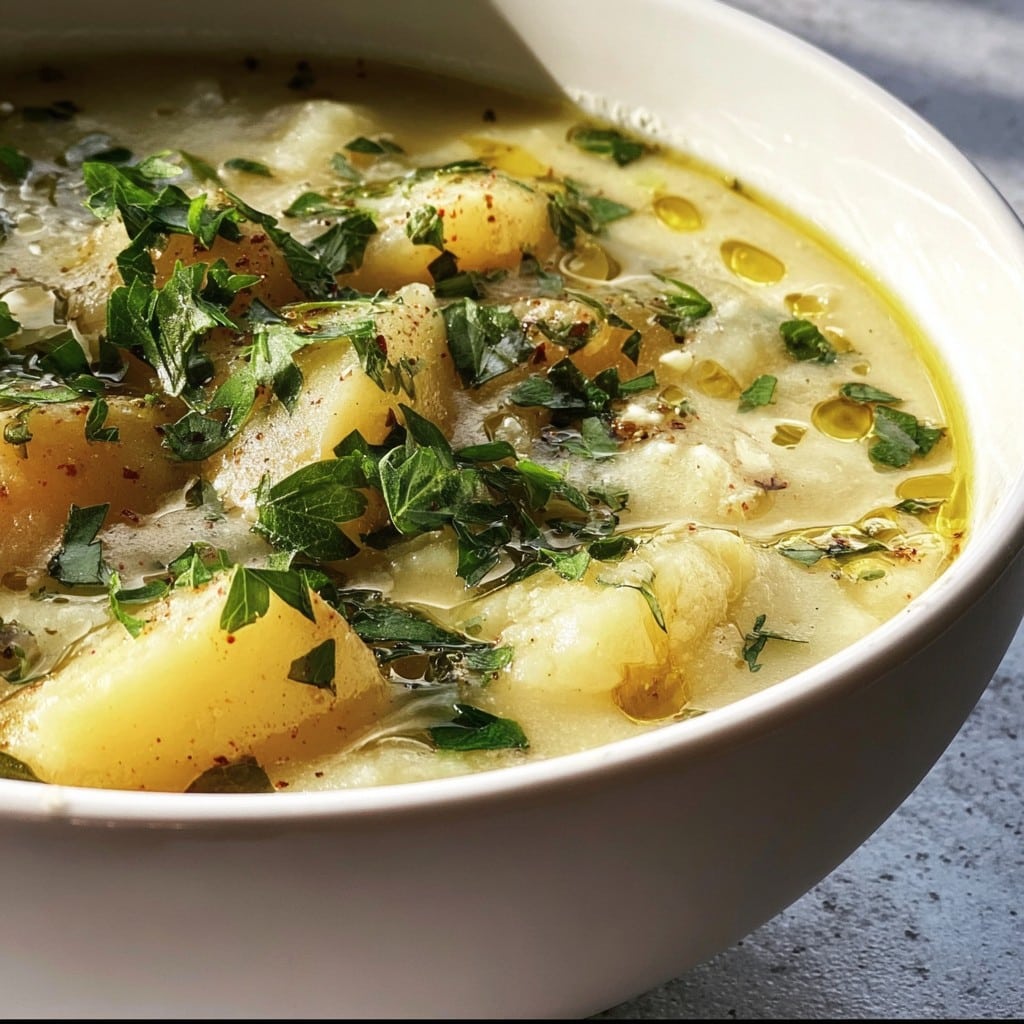
- Taste and finish: Want it smoother? Add cream or extra butter now. Or cheese, or…well, you decide. Check for salt and pepper. Ladle it into a big bowl and try not to burn your mouth. But if you do, at least everything else is already numb (or is that just me?).
Notes from Repeated Soup-Making Mishaps
- If you over-salt (guilty!), just toss in a peeled potato chunk and simmer for a bit—it absorbs extra salt. Probably. It worked once!
- I’ve thrown in leftover roasted garlic instead of fresh. Actually, on second thought, do that whenever possible.
- The soup looks a bit gray sometimes—potatoes just do that. Doesn’t mean it’s gone off.
If You Want to Mix Things Up…
- Swapped sweet potatoes for half—loved the color, didn’t love the flavor clash. Your mileage may vary.
- Tossed in a squeeze of lemon at the end once. Weirdly zingy, but surprisingly uplifting on a foggy morning.
- Added spinach in the last few minutes. Came out great! My kids ran for cover though, so maybe keep that in mind if you have picky eaters.
What If You Don’t Have the Right Gadgets?
Most of the time I use my grandma’s ancient stick blender, but a potato masher (or even a sturdy fork) does a perfectly good job. Once tried with a whisk—10/10 do not recommend. (And yes, I survived using a regular old saucepan instead of a stock pot…felt daring, actually!)
Storing Leftovers…Or What’s Left
Cools down and thickens a bit in the fridge. I think this tastes better the next day, honestly; flavors meld or something. Keeps fine for two days, but—no kidding—it’s usually gone by that evening. If you freeze it, thaw gently on the stove (microwave sometimes makes it a bit gloopy).
How We Serve (and Sometimes Argue Over) This Soup
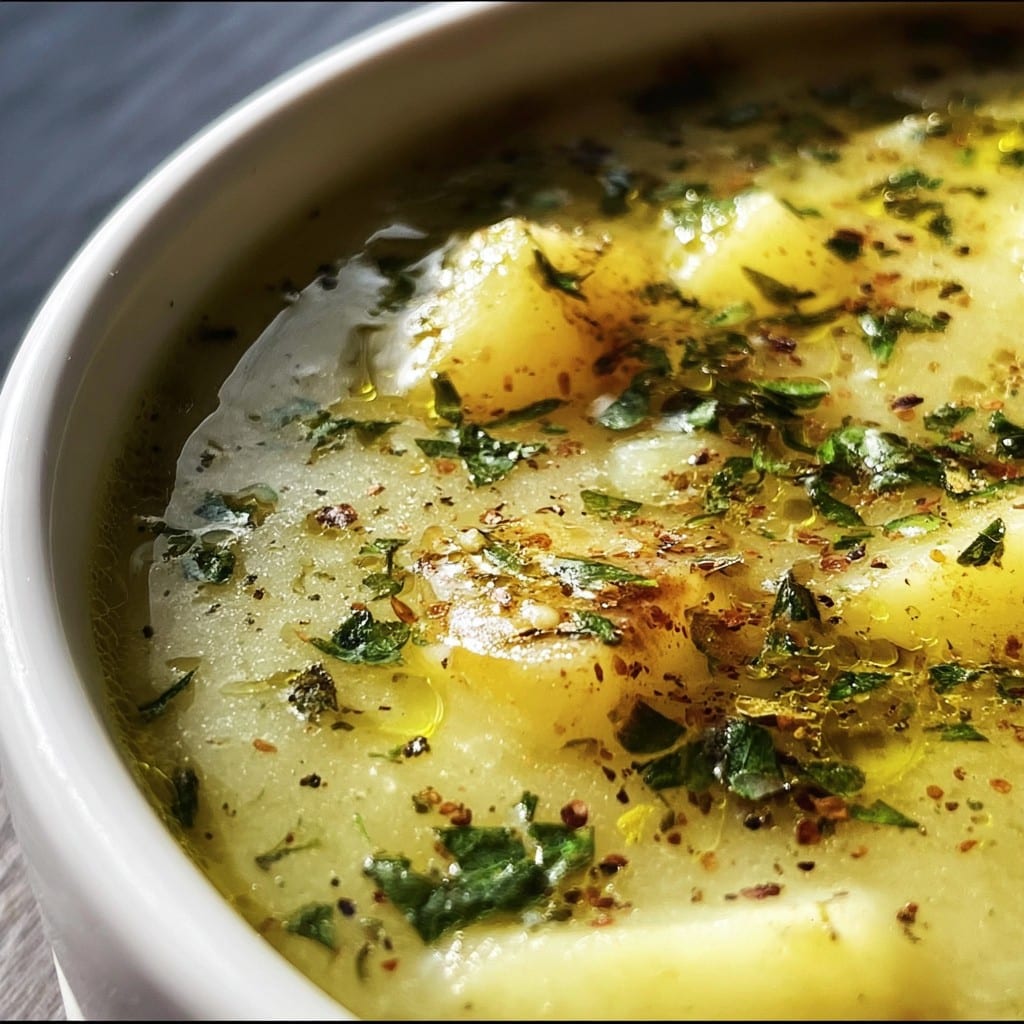
My personal favorite: big bowl, tear up a piece of crusty bread, dunk and slurp. The kids? (When they deign to eat it.) They pile on cheese and call it ‘potato cheese fondue.’ Once for a friend’s birthday brunch, we served it with bacon crumbles and spring onions on top. She’s still talking about it. P.S.: For a posh finish, swirl in a little olive oil—looks gourmet, totally easy.
Stuff I Learned the Hard Way
- Once tried to rush the potato cooking—ended up with crunchy soup. Not fun when you’re already struggling. Really, let it simmer.
- If you add garlic earlier, it can burn; do your future self a solid—wait till onions are soft.
- Blending while it’s boiling is asking for trouble (learned that the messy way…)
The “But What If…?” FAQ Corner
- Can I make this vegan? Yeah, just use olive oil and veggie broth. Add a dash of nutritional yeast for flavor if you want (found a good explanation of this on Minimalist Baker).
- Can I prep this the night before? Oh absolutely. Potatoes soak up more broth overnight though, so add a splash of water to thin it when reheating. Or, on second thought, leave it thick—it’s almost like mashed potato stew?
- What if I want protein? I sometimes stir in a soft-cooked egg or leftover rotisserie chicken. There’s a nice guide on souping-up meals over at Serious Eats that I use a lot.
- Why does mine taste bland? Might just need a little more salt, but could be your stock. Sometimes I chuck in a splash of soy sauce for depth (it sounds odd, but totally works!).
- Can I add more garlic? Can you ever not add more garlic? Go rogue, I say.
And, anyway, if you end up eating this in your pajamas at 3pm (been there), just remember: better soup beats better choices every time.
One last thing: if you ever want to get scientific about why this combo helps with a hangover (or at least seems to), Healthline has a chunky explainer—but honestly, I just trust my gut. Hope you love it, mate!
Ingredients
- 4 medium potatoes, peeled and diced
- 1 large onion, chopped
- 6 cloves garlic, minced
- 4 cups low-sodium vegetable broth
- 1 cup whole milk or dairy-free alternative
- 2 tbsp olive oil
- 1/2 tsp dried thyme
- 1/4 tsp ground black pepper
- Salt to taste
- 2 tbsp chopped fresh parsley
- Juice of 1/2 lemon
Instructions
-
1Heat olive oil in a large pot over medium heat. Add onion and cook until translucent, about 4 minutes.
-
2Stir in minced garlic and cook for 1-2 minutes until fragrant.
-
3Add diced potatoes, dried thyme, black pepper, and a pinch of salt. Stir to combine.
-
4Pour in the vegetable broth. Bring to a boil, then reduce heat and simmer for 20-25 minutes, until potatoes are fork-tender.
-
5Use an immersion blender to blend the soup until smooth. Stir in the milk and lemon juice, then heat gently until warmed through.
-
6Taste and adjust seasoning. Serve hot, garnished with fresh parsley.
Approximate Information for One Serving
Nutrition Disclaimers
Number of total servings shown is approximate. Actual number of servings will depend on your preferred portion sizes.
Nutritional values shown are general guidelines and reflect information for 1 serving using the ingredients listed, not including any optional ingredients. Actual macros may vary slightly depending on specific brands and types of ingredients used.
To determine the weight of one serving, prepare the recipe as instructed. Weigh the finished recipe, then divide the weight of the finished recipe (not including the weight of the container the food is in) by the desired number of servings. Result will be the weight of one serving.
Did you make this recipe?
Please consider Pinning it!!